Beyond courses and compliance: the 2026 Learning & Development wish list
January 2026


Foreword
When we asked – via a poll on LinkedIn – what excites people most about learning in 2026, the answers pointed in one direction. Learners want training that adapts to them, shows up when it matters, and proves competence in practice. AI-powered learning came first. Learning embedded into daily work followed closely. Immersive experiences ranked next. Alignment to business outcomes still matters, but it no longer stands alone.
Training is evolving fast, and many teams are rethinking how they build skills, adapt, and stay ready for what’s next.
Learning expectations are shifting
Across industries, people are asking for training that reflects real work, real pressure, and real responsibility. Not more courses. But better learning.
The voices in this article share a clear ambition for 2026. To move beyond compliance. To design learning that adapts to evolving needs, supports decision-making, and proves competence in practice.
Together, they point to a future where learning shows up when it matters most – and where confidence is built through experience, not just attendance.
It is changing by getting closer to real work. These signals reflect how our learning leaders are thinking about the year ahead.
This is what our L&D team wishes to see in 2026.
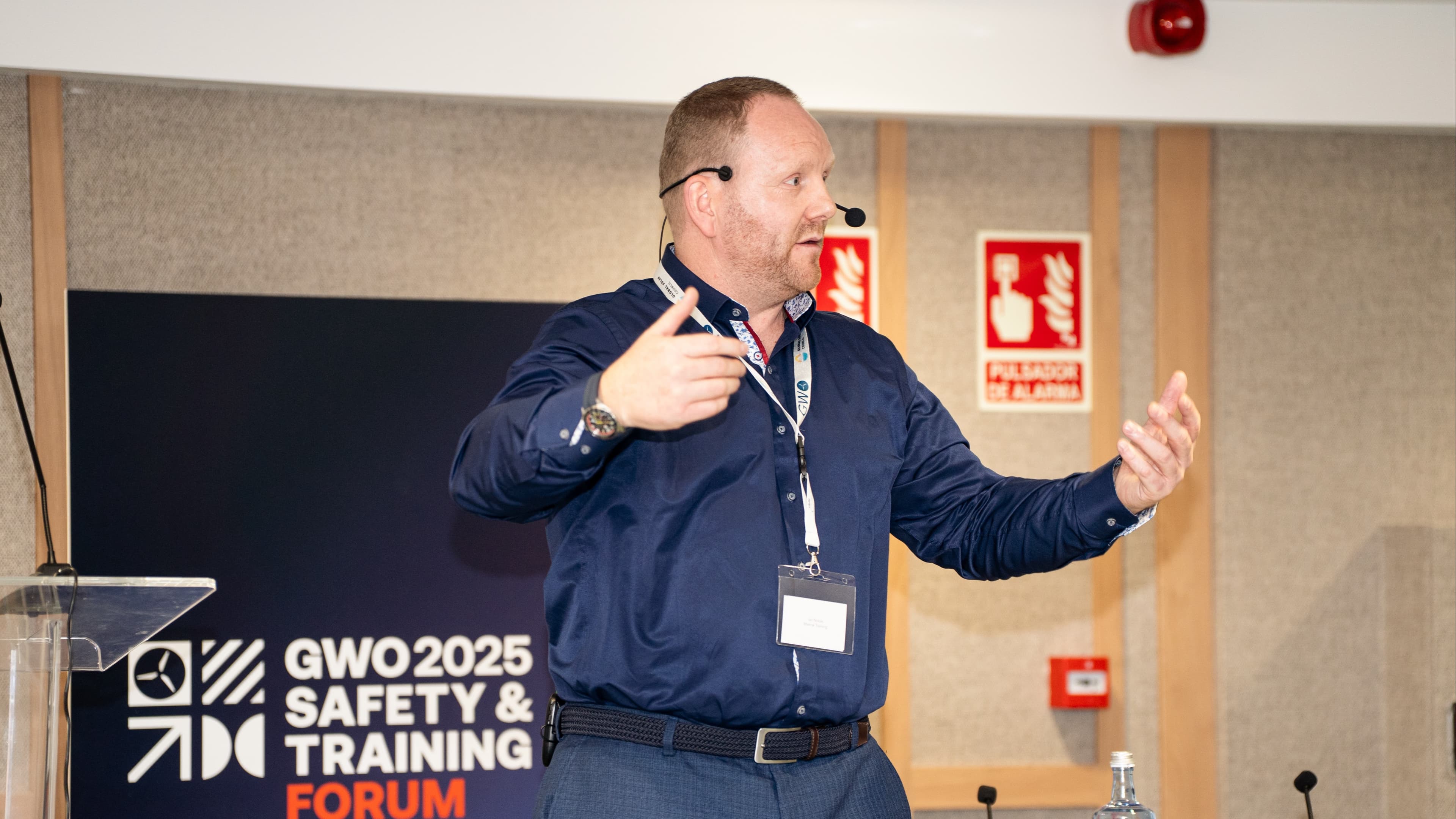
Safety training for emerging energy industries
In 2026, I am looking forward to driving innovation in safety training by developing a robust curriculum for the PtX and Hydrogen industry which will address, educate, and aim to mitigate the unique risks of this emerging sector. I am excited to collaborate with industry experts on the integration of developing learning tools and technologies to create dynamic, interactive programs. These initiatives will not only enhance competency and confidence for clients but also position Maersk Training as a leader in delivering transformative, future-ready learning experiences in developing industries.
- Ian Noble, L&D Manager for Renewables
Moving maritime safety beyond compliance
With the new STCW amendments on the prevention of bullying and harassment onboard, maritime is clearly moving toward a more people-centred understanding of safety. What I hope to see in 2026 is a less ‘tick-the-box’ approach to mental health and psychological safety training, and more interventions that are grounded in the real pressures crews face, namely hierarchy, power dynamics, cultural differences, job insecurity, fatigue, isolation, commercial pressure and accountability. If we truly want safer seas and more resilient ships, our training has to be designed around those realities (and should move away from mere compliance).
- Dr Joanna-Eugenia Bakouni, L&D Manager for Maritime

Adaptive learning for high-risk environments
The shift from digitising training to designing truly adaptive learning experiences for people working in high-risk environments is what excites me most about L&D in 2026. I’m looking forward to learning technologies that respond to the learner in real time, such as: using AI to personalise scenarios, adjust difficulty based on performance, and surface the right learning intervention at the exact moment it’s needed. Moving us beyond static modules and towards learning that feels situational, relevant, and operationally grounded. The maturation of immersive technologies will enable learning experiences to be designed around how people actually think, feel, and behave under pressure. However, it is XR’s scalability and integration with performance data that will be vital in fuelling the shift of focus from compliance-driven training to demonstrated competence.
- Linsey Horberry, L&D Manager for Digital
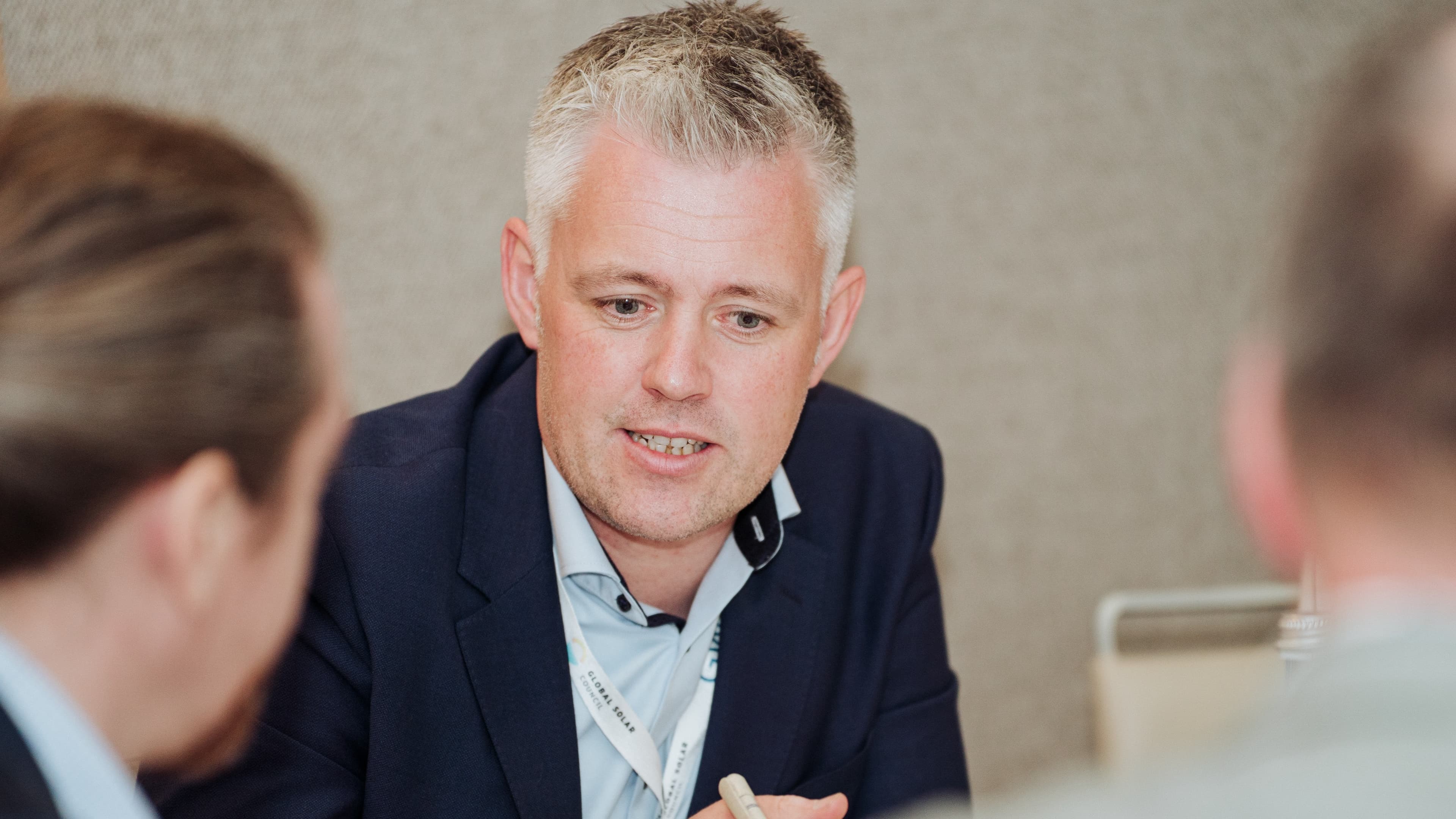
From training requirements to workforce advantage
What excites me most about 2026 is the accelerating shift from compliance-driven training to true strategic workforce development, where learning, competence and capability building are recognised as critical enablers of both the energy transition and long-term energy security. We are seeing a real change in mindset across industries, from “training as a requirement” to “competence as a competitive advantage”, and I am excited to help shape that journey through more targeted, outcome-driven learning solutions. I am particularly motivated by bringing new, impactful products to life that help the world solve the energy challenge, whether that is within renewables, electrification, PtX, alternative fuels or hybrid energy systems, and ensuring that people have not only the technical skills, but also the mindset and confidence to operate across technologies and truly leverage the synergies between them in a safe, reliable and efficient way. Equally important is our move toward focusing on learning outcomes and demonstrated competence rather than strict processes and “tick-the-box” training. Gone are the days where the absence of accidents was seen as proof of competence. We are moving towards a much more mature, data-informed and continuous approach to learning, supported by digitalisation and new learning technologies. This shift benefits both the frontline workforce and the industries we serve – and it is a journey I find genuinely inspiring to be part of.
- Per Larsen, Head of Learning & Product Development
Learning that proves itself when it matters
Together, these perspectives tell a single story. Learning in 2026 is less about where training happens and more about when it helps. Less about content delivered and more about capability shown. Less about process and more about performance.
The tools are changing. The expectations are rising. The real question remains simple: when it matters most, can your people do the job with confidence?